National PTSD Awareness Month
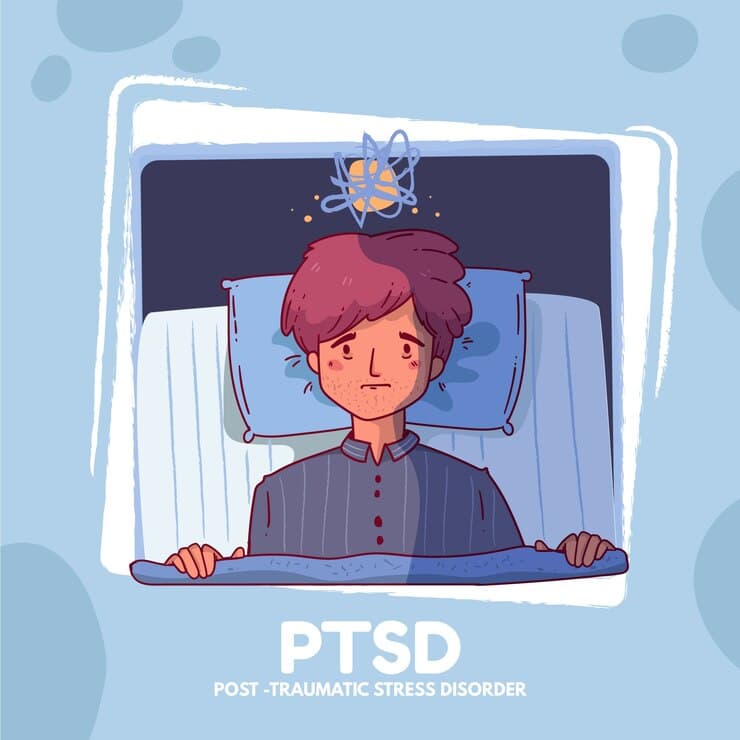
Event Info
Start Date
June 1st
End Date
June 30th
Address
House 1359, Wapda Town Phase-2, S Block, Multan, Pakistan.
PTSD Awareness Month
Every year, the month of June is observed as Post-Traumatic Stress Disorder (PTSD) Awareness Month, a time dedicated to increasing public understanding of PTSD and supporting those affected. This month-long observance emphasizes the importance of recognizing PTSD, reducing stigma, and encouraging individuals to seek help.
PTSD Awareness Month provides an opportunity to foster empathy and promote the mental health resources needed to assist individuals coping with this challenging condition.
What is PTSD?
Post-Traumatic Stress Disorder (PTSD) is a mental health condition that can develop after experiencing or witnessing a traumatic event. These events may include combat, violent crimes, serious accidents, natural disasters, or personal assaults.
According to the American Psychological Association (APA), PTSD is classified as an anxiety disorder characterized by the following:
- Flashbacks: Intrusive, distressing memories or reliving the traumatic event.
- Nightmares: Intense dreams related to the trauma, often accompanied by night sweats.
- Avoidance: Efforts to avoid reminders of the trauma, including people, places, or situations.
- Hyperarousal: Increased anxiety, irritability, or being easily startled.
- Negative Mood: Feelings of detachment, guilt, or emotional numbness.
Importance of PTSD Awareness Month
This awareness month serves several key purposes:
- Reducing Stigma: Educating the public about PTSD helps challenge misconceptions and stereotypes.
- Encouraging Early Intervention: Promoting awareness allows individuals to recognize symptoms and seek help sooner.
- Supporting Survivors: Demonstrating solidarity with those affected by PTSD and their families.
- Advocating for Better Resources: Raising awareness helps secure funding and resources for mental health services and research.
Key Facts About PTSD
- Prevalence: Around 6% of the population will experience PTSD at some point in their lives.
- Risk Factors: While trauma is the root cause, factors like a history of mental illness, lack of social support, or repeated exposure to trauma increase vulnerability.
- Demographics: PTSD affects people of all ages, but is particularly common among veterans, first responders, and trauma survivors.
- Treatment: Effective treatments include therapy (such as Cognitive Behavioral Therapy and EMDR), medications, and support groups.
Recognizing Symptoms of PTSD
It’s important to understand the symptoms of PTSD, which may include:
- Reliving the trauma through intrusive thoughts, flashbacks, or nightmares.
- Avoiding situations, people, or places that trigger memories of the trauma.
- Persistent negative changes in mood, including feelings of hopelessness, guilt, or emotional detachment.
- Increased irritability, difficulty sleeping, or being on edge.
Promoting Awareness and Support
PTSD Awareness Month encourages individuals and communities to come together and support those living with PTSD. Here’s how you can help:
- Educate Yourself and Others: Learn about PTSD and share accurate information to reduce stigma.
- Offer Support: Listen to and validate the experiences of those affected.
- Encourage Treatment: Help individuals connect with mental health resources and professionals.
- Advocate for Policies: Support initiatives that improve access to mental health care and PTSD research funding.
Call to Action
During PTSD Awareness Month, let’s honor the courage of those living with PTSD by raising awareness, fostering understanding, and advocating for change. Together, we can build a world that supports mental health and offers hope to those affected.
Event Hashtags
Join the movement to spread awareness about PTSD on social media using these hashtags:
- #PTSDAwarenessMonth
- #EndTheStigma
- #SupportPTSDRecovery
- #TraumaInformedCare
- #MentalHealthMatters
- #HealingFromTrauma
- #PTSDHelp
- #TogetherForMentalHealth